




On a December day at Kolkata’s Salt Lake Stadium, 60,000 football fans gathered for a once-in-a-lifetime spectacle: Lionel Messi’s appearance on the “GOAT Tour.”
Many paid exorbitant prices believing they’d get an experience worthy of a global icon. Instead, they got a masterclass in mismanagement. Messi appeared for barely 20 minutes and was immediately swarmed by VIPs on the pitch, while ordinary fans struggled to catch even a glimpse. Politicians and officials crowded around the star, blocking the very view thousands had paid for. When Messi was whisked away as abruptly as he arrived, frustration turned to fury as fans ripped out seats, hurled bottles, and stormed the field in protest. What should have been a joyous celebration became a global embarrassment.
Systemic Failures Exposed
The Kolkata debacle wasn’t a one-off fluke, it laid bare systemic failures in India’s events industry. Foremost was the deprioritization of fan experience. The moment Messi set foot on the pitch, a “golden curtain” of ministers and hangers-on encircled him, usurping the stage from the paying public. This VIP culture showed clearly that the very fans were secondary at their own event. In Kolkata, the field became a VIP selfie zone, relegating fans to bystanders.
Basic crowd management and communication also collapsed. There was no clear command-and-control, and no timely announcements or apology when things derailed. Anxiety and confusion filled the void until anger spilled over. Calling the crowd’s reaction “hooliganism” misses the point, the organizers had breached an unspoken social contract by failing to deliver the promised experience.
Fans invested time and emotion, only to get a 20-minute damp squib. The vandalism that followed was not random mayhem but a desperate protest by fans who felt cheated. It was emblematic of a pattern of big promises and poor execution that erodes public trust.
The Training & Mindset Gap
Why do these failures keep happening? One reason is an educational gap in event management.
Too many programs churn out planners adept in logistics and decor but not in experience design and risk management.
Courses often gloss over crowd dynamics, fan engagement, and crisis management. As one observer noted, the Kolkata organizers managed tickets and stage setup, “but they did not know how to manage the emotions of 60,000 people.”
Crucial competencies are missing. Empathy for the fan’s journey, seeing each touchpoint through spectators’ eyes is rarely taught, leading to fan-unfriendly decisions.
Crisis literacy is minimal; few graduates have practiced handling a show gone wrong, so they freeze when real chaos strikes. And in a country of powerful VIPs, hardly any training addresses political interference how to politely keep dignitaries from derailing an event, we call this protocol management.
Toward a Fan-First Future
The Salt Lake Stadium fiasco must be a turning point. India’s events sector has shown it can draw the biggest stars and crowds; now it must put fans at the center. Change begins with a fan-first mindset and better training.
The Management School of Events & Experience Design (MSEED), for example, is pioneering a curriculum that prioritizes empathy, crisis preparedness, and fan-centric operations. Students start by mapping the fan journey, designing an event from the perspective of a typical fan persona. They drill for worst-case scenarios, so they won’t be improvising in a crisis. They even learn tactics to handle VIPs, protocol, designing field of play and prioritising what they see and what paying audience also sees. Off-field photo ops and separate VIP zones could have saved the day at the Salt Lake Stadium and that would have kept the leaders happy without sacrificing the fan experience.
If the industry embraces such reforms, fiascos like Kolkata can remain cautionary tales rather than repeat performances.
The GOAT Tour crisis exposed the cost of treating fans as afterthoughts. It’s a wake-up call to put fan experience at the core of every decision. Ultimately, the fan is the event – the true VIP of the experience economy – and as Kolkata showed, if you mishandle that VIP, you risk an explosion
Now is the time to course-correct, before the next “once-in-a-lifetime” event becomes another national embarrassment.
Read my Forensic Analysis of what went wrong and let’s remember the fan is not just a ticket number. The fan is the fuel. And as Kolkata showed, if you mishandle fuel, you will get an explosion.
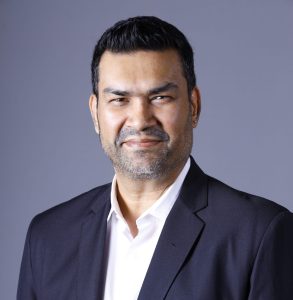 Dr. Jateen Rajput
Dean & Executive Director at Bhavan’s College – MSEED.
A passionate educator, AI-for-events evangelist, and immersive experience creator who’s been shaping the Indian event and entertainment landscape for 30+ years.
He can be contacted at: [email protected]

