


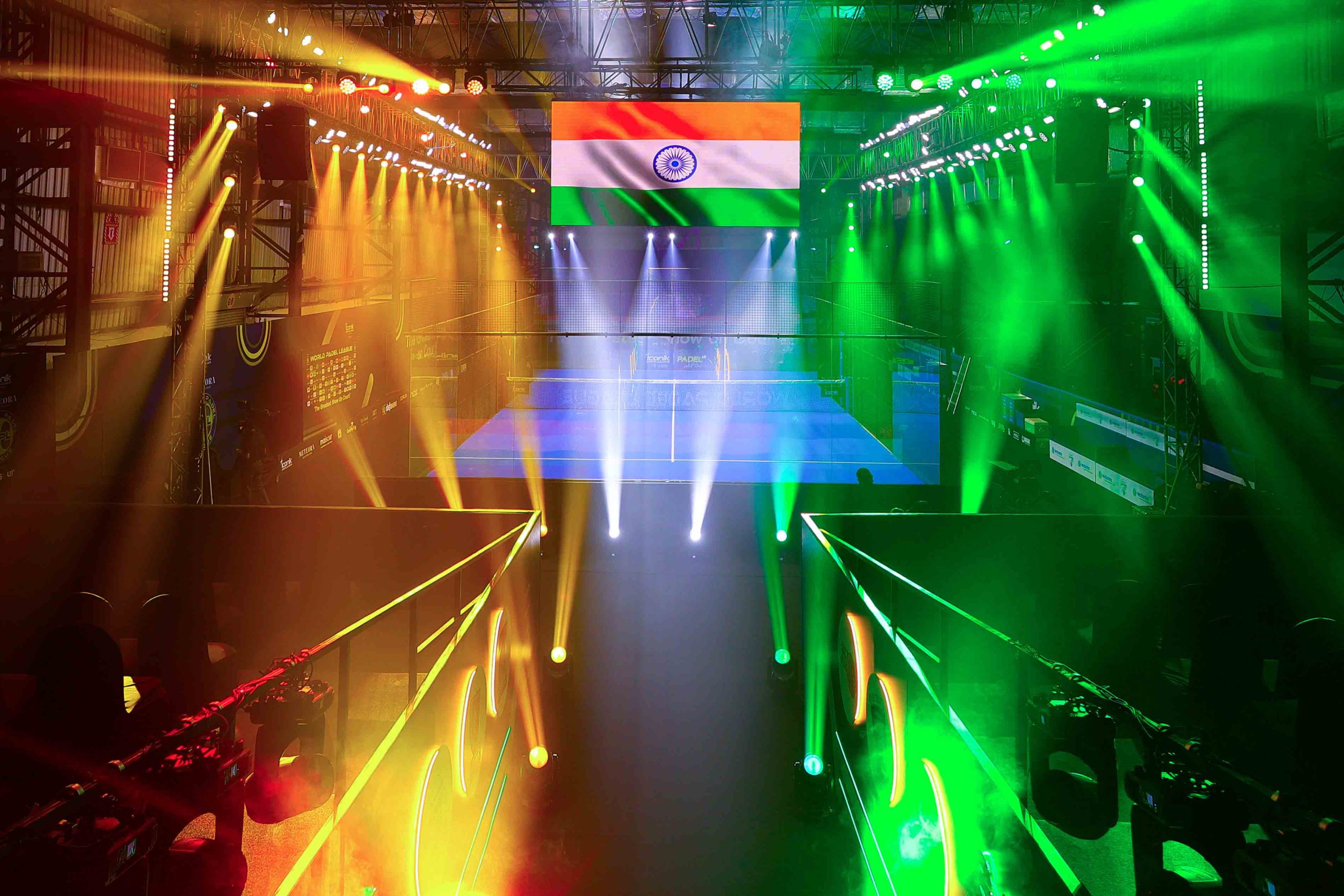
INDIA’S PADEL INDUSTRY is on track for explosive growth, with the market expected to expand from an estimated $25–30 million today to $250–300 million by 2036, according to the newly released India Padel Report 2026. The report highlights how one of the world’s fastest-growing sports has rapidly gained traction in India, with the player base surging to nearly 100,000 players in just three years.
The study, produced by Hudle in partnership with CAA Portas, paints a picture of a sport transitioning from a niche urban pastime into a significant segment of India’s sports and leisure economy. The report is based on booking and participation data that reportedly covers more than 90% of padel court bookings in the country.
Perhaps the most striking finding is the pace of participation growth. According to the report, India’s padel community has expanded from roughly 500–1,000 players in 2022 to nearly 100,000 by 2025, representing an increase of around 100 times in just three years. If current growth trends continue, the player base could reach one million players by 2036.
The growth has been accompanied by a rapid expansion of infrastructure. India now has approximately 500 padel courts, compared with a handful of facilities in only a few cities just a few years ago. Industry projections suggest the country could have around 4,000 courts by 2036, making it one of Asia’s largest padel ecosystems.
Unlike many emerging recreational sports that struggle to retain participants, padel appears to be generating repeat engagement.
The report found that the average number of games played per user rose 73%, from 5.3 annually to 9.2, while regular and heavy users account for more than one-third of the player base. Average playing sessions last around 1.75 hours, the longest among racket sports tracked on the platform, while annual retention rates stand at approximately 55%.
The report suggests padel’s growth is being fueled by a young, affluent urban audience.
Around 55% of players are between 27 and 39 years old, while a disproportionately high share of users are premium smartphone owners, indicating strong spending power. Analysts argue that padel is increasingly competing for a share of the urban wellness and lifestyle market rather than merely drawing players away from traditional racket sports.
The sport’s premium positioning has led some industry observers to compare it to “the golf of racket sports”; a social, networking-oriented activity that attracts professionals, entrepreneurs and high-income consumers.

