



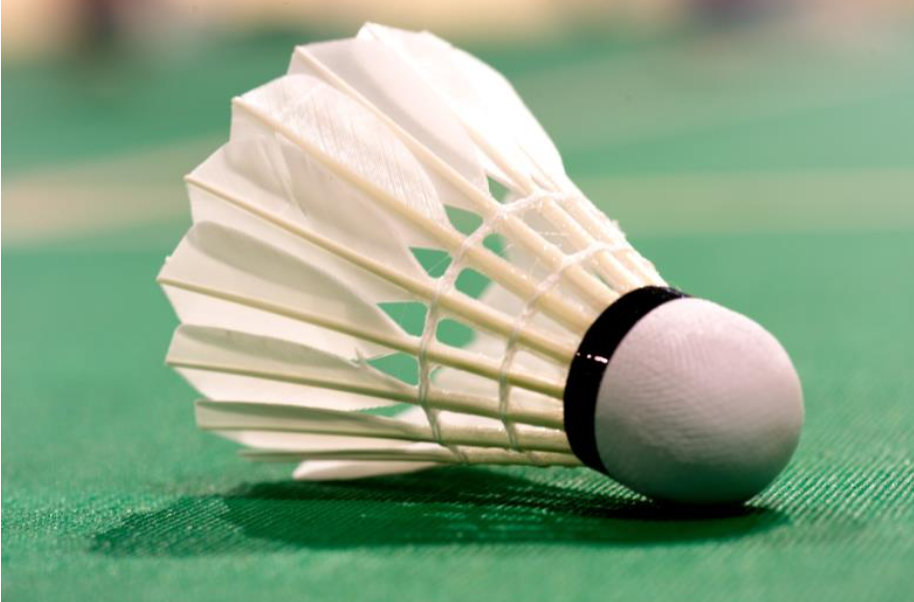
SHUTTLECOCKS, the essential equipment for badminton, are facing a production challenge due to an acute shortage of raw materials in China, causing prices to more than double over the past year.
The crisis has been attributed to changing food habits in China, where a preference for pork over duck and goose meat has reduced poultry farming, coupled with a global surge in badminton’s popularity.
Speaking on the issue, Yonex India managing director Karan Dhar said, “We are working to address the immediate concerns. Shipments are expected shortly, and in a day or two, we will be sending shuttles to Hyderabad and the national camps. The tentative schedule is around August 20, but we are trying to expedite it. This is essentially a raw material issue. The supply of feathers has dropped and costs have escalated sharply. It has definitely affected demand and made the sport costlier, especially for players who cannot afford such high prices. Even if production is shifted outside China, the basic feathers still come from there, so the dependence is very high. Efforts are underway to develop synthetic or hybrid shuttles Yonex is working on innovations but a complete replacement hasn’t yet been found.”
India has a few production units in Kerala and West Bengal, but these are limited in scale and quality, and have struggled to compete with mass-produced Chinese imports.
The chief national badminton coach Pullela Gopichand highlighted the issue saying, “We cannot remain dependent on nature of food consumption in one country for the future of an entire sport”. He urged India’s research institutions, such as the IITs, to play a role in developing feather-like alternatives for duck feather shuttles.
Gopichand added, “Shuttle costs are already a big reason why badminton is so expensive. If we can bring them down, the sport will grow even bigger.”
Dhar further suggested that the government could step in to reduce import duties or taxes, which may help lower costs.
The price of a tube of high-quality shuttles has soared from Rs.1,200 at the end of 2023 to nearly Rs.3,000 today.

