



WPBL FOUNDER AND CEO GAURAV NATEKAR reflects on the key learnings from the second season, the evolution of the league’s sportainment model, and the balance between on-ground experiences and broadcast reach. He also discusses franchise expansion plans, growing brand interest, and the league’s efforts to build a community-driven ecosystem around the sport.
With pickleball participation rising rapidly across urban India and globally, Natekar also shares his perspective on the opportunities and challenges shaping the sport’s broader ecosystem, and how WPBL plans to innovate while preserving the participative spirit that makes pickleball unique.
In a conversation with Piyush Dhembare, Natekar talks about WPBL’s growth trajectory, fan engagement strategies, and the roadmap for Season 3 and beyond.
EDITED EXCERPTS:
As the World Pickleball League concludes Season 2, what were the biggest learnings from this edition?
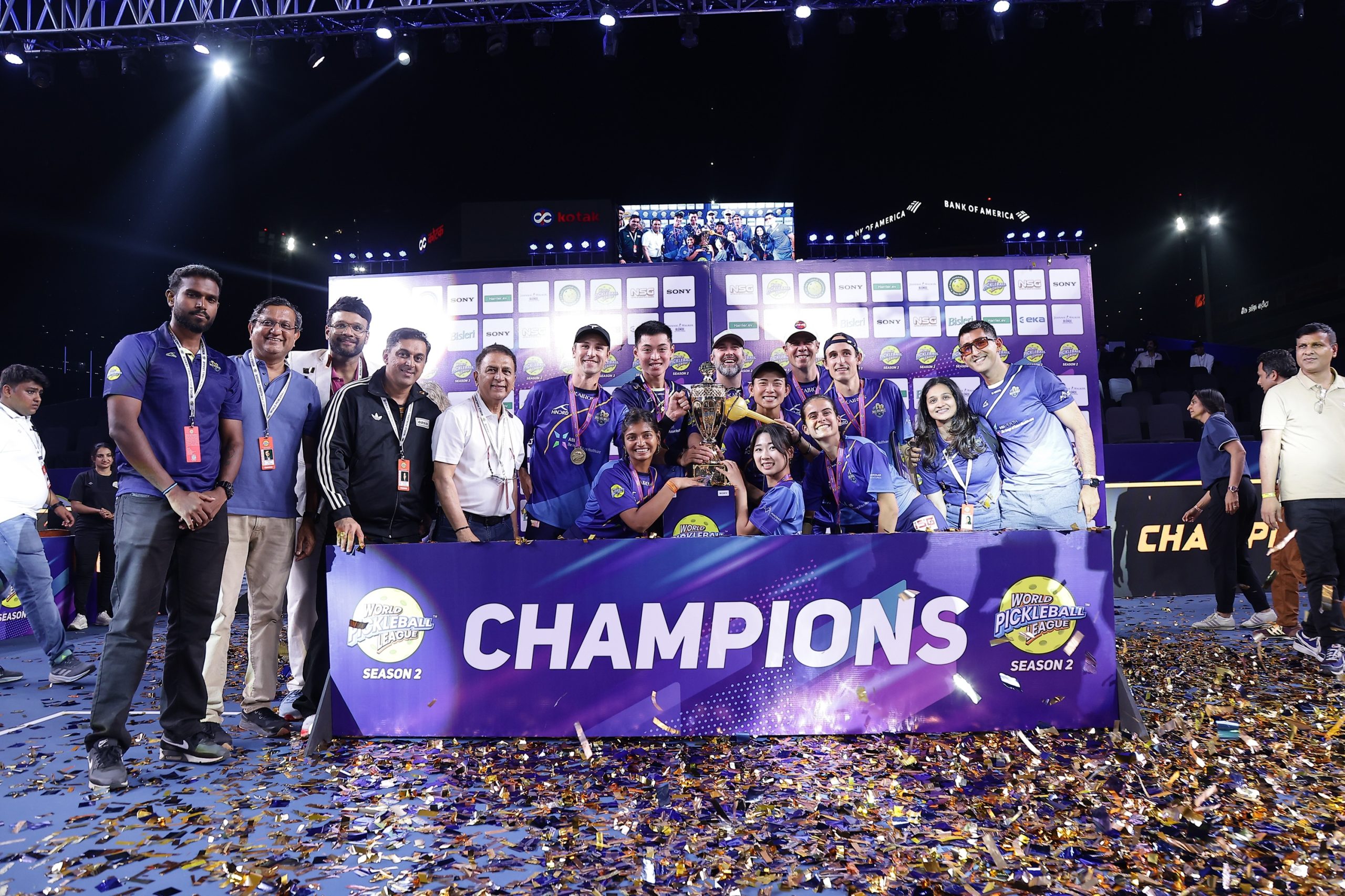
I think the learnings first were that we’ve always positioned this as a sports and an entertainment property. And I think the fact that we did it in Jio World Garden, BKC, was to set a statement, which I believe we did.
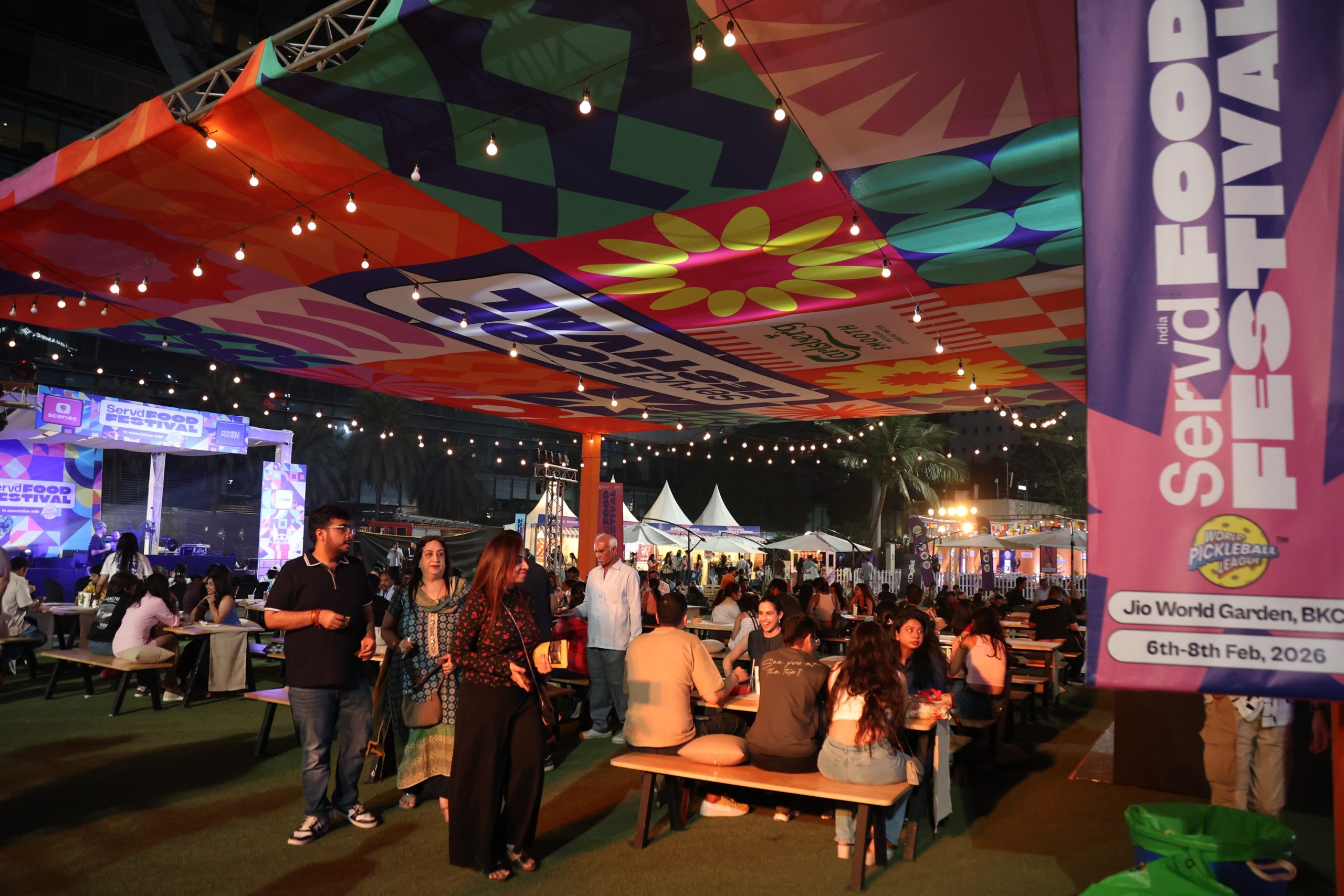
In the last weekend we also had a festival called Servd, which we did with Swiggy Scenes, where we had a whole F&B setup, a flea market, music and entertainment. Which is something that we have been promising and we have been talking about.
How much did viewership and in-stadia attendance grow compared to Season 1?
In-stadia, we had increased our seating capacity a little from Season One. So I think in that sense it was good. It’s a very negligible number, but it increased nonetheless. In terms of on-air, we’ve just got the numbers last week. Definitely in linear, the numbers have been good on TV. On streaming, it’s been pretty stable, the same as last year. But the numbers that really went up for us were on our YouTube channel. That’s also because this year we wanted to focus a little bit more on our YouTube channel, even though we had geo-blocked it for India because of Sony LIV. But in the rest of the world, we managed to get some pretty good traction. So, as a league we need to think of a strategy going forward as to how much we want to make it an on-air property vis-à-vis an on-ground and a live property.
With the league now consisting of seven teams, what do you believe is the optimal team number at this stage? Is the priority further expansion, or strengthening existing franchises?
Our vision from day one was to have a maximum of 10 teams, but I don’t know, depending on how things move along. But as of now, for Season Three, I think we will look at eight teams.
Because the other things that we did in Season Two in terms of fan engagement, we did something called Battle of the Clans, where we got a whole bunch of venues in Mumbai to field teams, and that was a success. On the opening day, our owners wanted to play pickleball. So we did an Owners Pickleball event. But I think the whole community engagement and whatever else we have committed to doing is something that we would like to continue doing. And hence we feel that having eight teams would be ideal for Season Three.
As the seventh WPBL team was managed by the league last season. Have you got any interest from anyone to take up the seventh as well as the new eighth franchise?
Seventh and eighth franchise, we have significant interest. In fact, in a couple of the teams we’ve also had new investors come in, which shows that the IP and the league have built a certain brand name and a product. So the seventh and the eighth teams will have owners. So between Jaipur, Kolkata, Kochi, Ahmedabad, Chandigarh, maybe Thiruvananthapuram, we will have two teams from among these cities. Unless there is a wild card, for example like Goa, that comes in. We have had one interested party from Goa as well, and it’s quite an interesting consortium to be honest. Primarily these are the cities.
Season 2 featured more players and nearly 30 additional matches. What specific steps were taken to sustain audience engagement and elevate the ‘sportainment’ experience throughout the extended calendar?
We did a food festival in the last three days. We had entertainment in between the matches almost every day. Typically, between the first tie and the second tie, on a couple of days we had some stand-up comedians, we had a percussionist on one day, we had another band on another day. And then of course the last three days, the whole area was taken up by the music, the flea market and the F&B.
How is WPBL monetising this younger, urban fanbase?
Because pickleball and because our league are more about community engagement, we did a lot of activations on social media through our website and Instagram. Also then slowly towards the end we realised that YouTube also we were getting some traction. So in terms of what we did for the younger audience, it was mostly doing interesting things on social media and then again coming back to the whole entertainment part and the Servd Food Festival for the weekend. Also the kind of brands that we had, whether it was Tata, Bisleri, Johnnie Walker Blonde, EKA Mobility. Well, EKA Mobility not so much from a Gen Z perspective, but more from the earlier three or four brands, was also to see how we could get them to come and not only watch the game, but also come and experience what we had in the entertainment zone.
 Which new brands have come on board for Season 2?
Johnnie Walker Blonde, Tata Harrier, Tata EV, Bisleri, EKA Mobility, Grand Hyatt. There were a few other brands. So these were really the big and the new ones that came on board. Again, because of our location, which was a strategic move, a lot of the corporates in that area and a lot of the people just came to watch. So we had some interesting incoming inquiries already from some brands for Season Three. We’ll see how that pans out.
How would you describe the league’s commercial growth trajectory after 2 seasons?
See commercially, are we making money? No, we are not. But I think we should be looking good in Season Three or maybe latest Season Four. And the reason for that also is that we are also expanding. What we did with events between Season One and Season Two, there’s been a lot of learning for us there. So we are definitely looking at expanding, and to expand teams it means that we will need bigger venues. We may not necessarily need a longer season. In fact a lot of the players and everybody were feeling jaded, so we may actually look at keeping the same amount of days or not. We are not sure. But definitely we will be going in for a round of funding because we need to expand, not only deeper into the season per se, but also what we can do within the ecosystem. We’ve already started exploring and there are some conversations already underway to raise the next round of funding.
I think from a commercial standpoint, the different brands that came on board were a big plus point for us. That interest is only growing. The fact that we had Eurosport and Sony LIV. Even with all of that, our YouTube channel gained traction. So I think those are all positives. I think definitely where we need to strategise and look internally is that given how the pickleball landscape in India and globally is changing, how we are going to adapt to that is something that we need to look at.
Celebrity integration has become central to the ‘sportainment’ positioning of emerging leagues. How has this strategy worked for you so far?
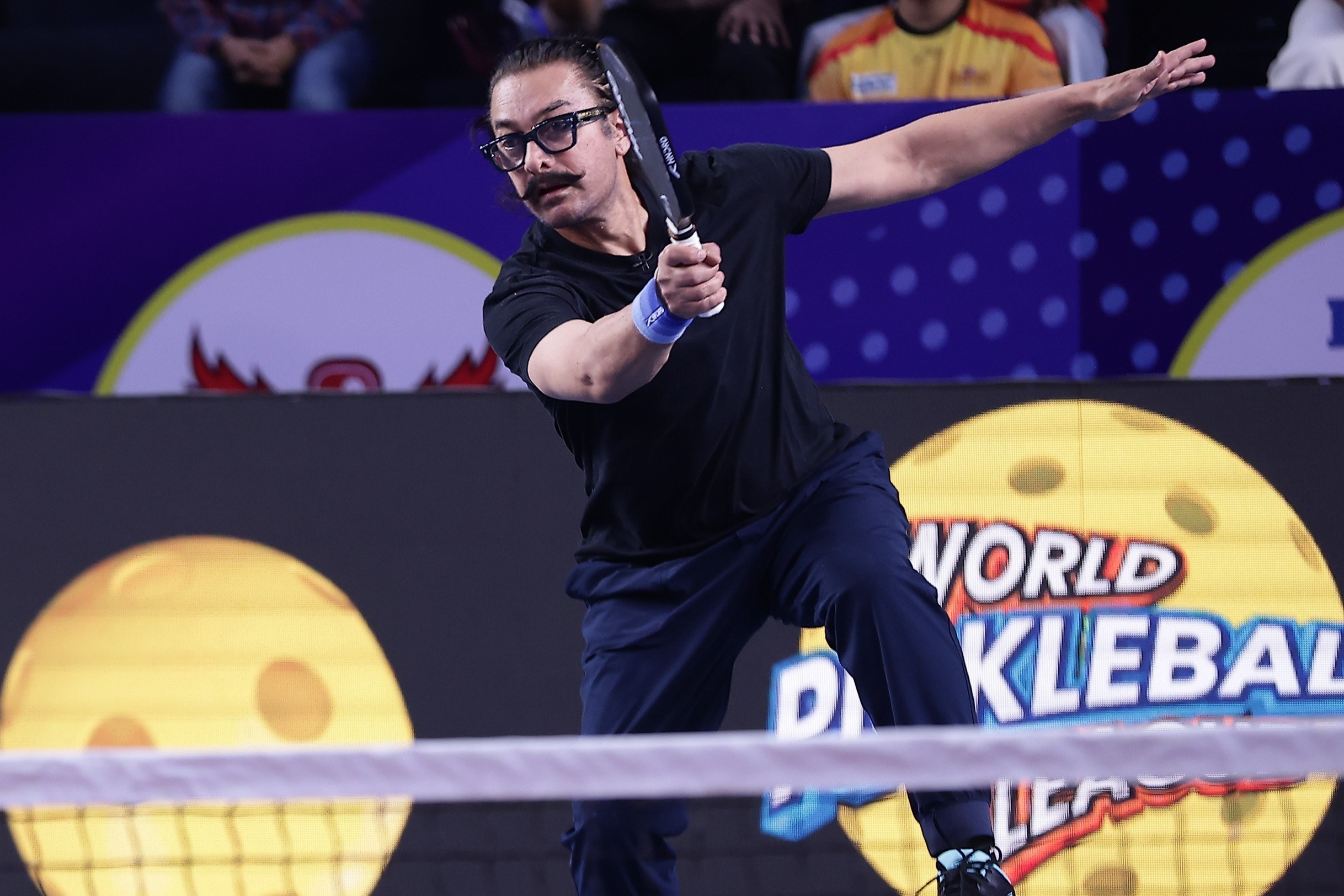
Two years back when we announced this and our team owners, I don’t think most people took us seriously. But if you look at what’s happening in the last four to six months across all the leagues, as well as some of the other teams in cricket, they are doing a lot of entertainment-driven activities and activations. And we believed that a lot of it had to do also with our Season One and Season Two. If you just look at our Season Two, the kind of involvement that the team owners had whether it was the known faces or the not so known ones. And if you look at the kind of engagement we got from the media, actually less from the sports media and more from the entertainment media. I think that was very heartening for us because it’s taken our league into the entertainment space, which is exactly what we wanted.
How has the response been so far for ‘WPBL On Tour’, and how are costs and planning structured between the league and the host franchises / cities?
The response has actually been very good in terms of on-ground engagement, but there’s a lot of learning because this was never attempted before. This was something that the league had committed to doing with the franchisees and for the franchisees between Season One and Season Two. I think going forward there is so much happening in pickleball, and will continue to happen, that we will be sitting down and drafting a strategy of what we need to do whether we need to stick with the same format or whether we need to do something different in terms of engagement, maybe do different events. That’s something that we are actually in the midst of formulating now.
There is a certain amount of financial as well as operational handholding that we do with the franchisees because most of the franchisees have not traditionally been in sports. So there is a lot of handholding that we as the league have done and we will continue to do. Eventually we would like the franchisees to basically walk on their own and build their own brand the way they want to in their own territories and cities.
With pickleball growing rapidly as a recreational sport in India, where do you see the broader pickleball ecosystem in the short to mid-term?
That’s a good question actually. If you had asked me this three months back, I would have had a different answer. Now it’s a different answer. Three months later it’ll probably be different. I think there are two or three things. One is that there is too much happening in pickleball. I think everybody sees this as an opportunity, but I think most of them are getting into it not for the right reasons and only looking at short-term gains or benefits, which is what they feel. What that’s going to do is create a lot of confusion, maybe a little bit of chaos as well in the market, which is already happening. I think eventually the wheat will be separated from the chaff, and the ones who have a structured business plan will survive.
I will say that I believe pickleball is a participative sport. It’s not so much, as yet, a spectator sport. Now whether that changes or whether it remains a participative sport, I think only time will tell. But I think it is the power of the participative nature of pickleball that makes it interesting for everybody. And we will continue to try and innovate and do things differently and add new dimensions like we’ve done from Season One whether it’s our format, whether it’s the venues that we pick, whether it’s the entertainment angle, whether different profiles of owners that we would like to get on, whether it is more community and fan engagement. We will always try to do that, but of course without tampering with the soul of the game. We’ll see, some of our innovations will work, some won’t work, but that’s part of doing something new.